Tips for Starting Your Active Aging Journey
Beginning your active aging journey can be an exciting yet daunting prospect. This transition often requires adjustments in lifestyle and mindset. In this article, we provide practical tips to help you embark on this path effectively and sustainably.
Understanding the Basics of Active Aging
Active aging refers to the process of optimizing opportunities for health, participation, and security in order to enhance quality of life as individuals age. According to the World Health Organization, active aging promotes physical, social, and mental well-being, which can lead to longer and more fulfilling lives. Experts recommend that engaging in regular physical activity plays a critical role in maintaining health during the aging process.
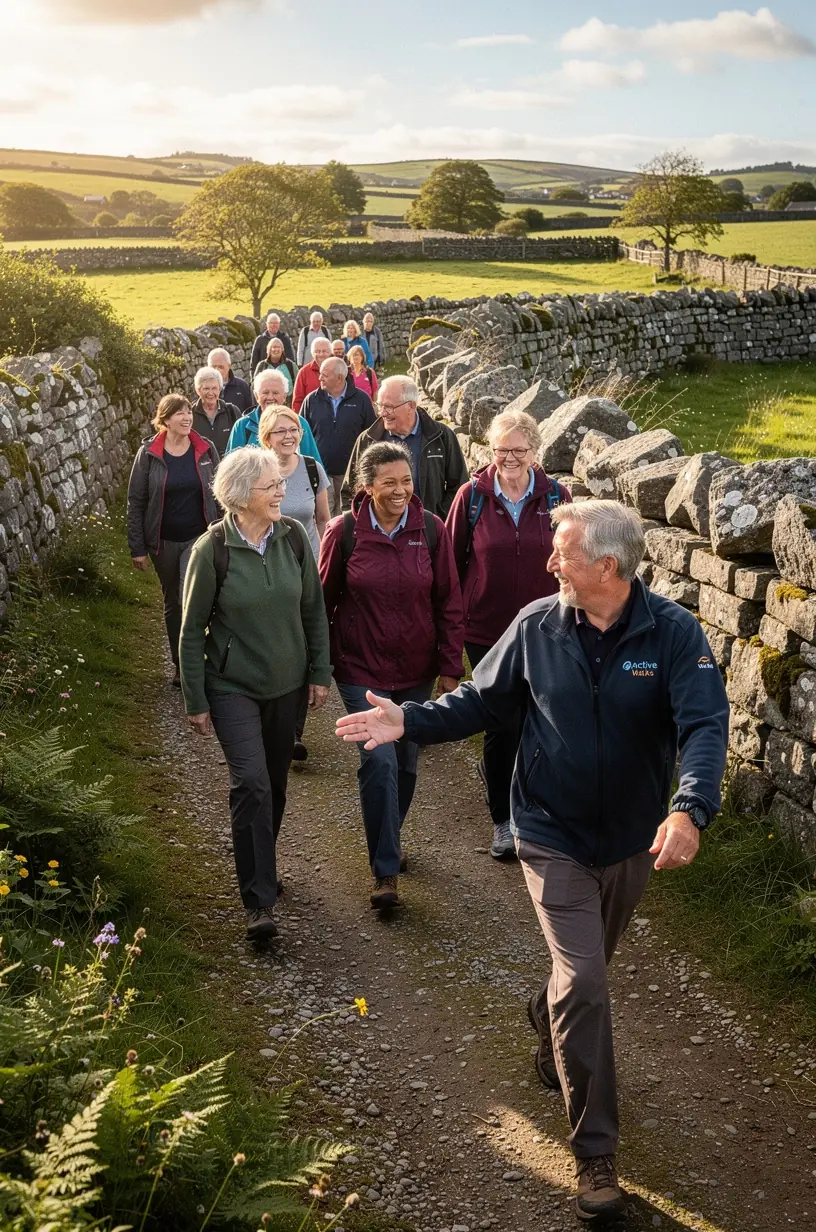
"Engaging in regular physical activity can reduce the risk of chronic diseases and improve overall well-being in older adults." - World Health Organization
Setting Realistic Goals
When starting your active aging journey, it’s essential to set realistic and achievable goals. Many users report that breaking down larger goals into smaller, manageable tasks can lead to greater success.
- Identify your motivation: Understand why you want to become more active. This could be to enhance energy levels, participate in social activities, or improve health.
- Set SMART goals: Utilize the SMART criteria (Specific, Measurable, Achievable, Relevant, Time-bound) to outline what you wish to achieve.
- Track your progress: Monitor your achievements and adjust your goals as necessary. This helps maintain motivation and accountability.
Incorporating Physical Activity
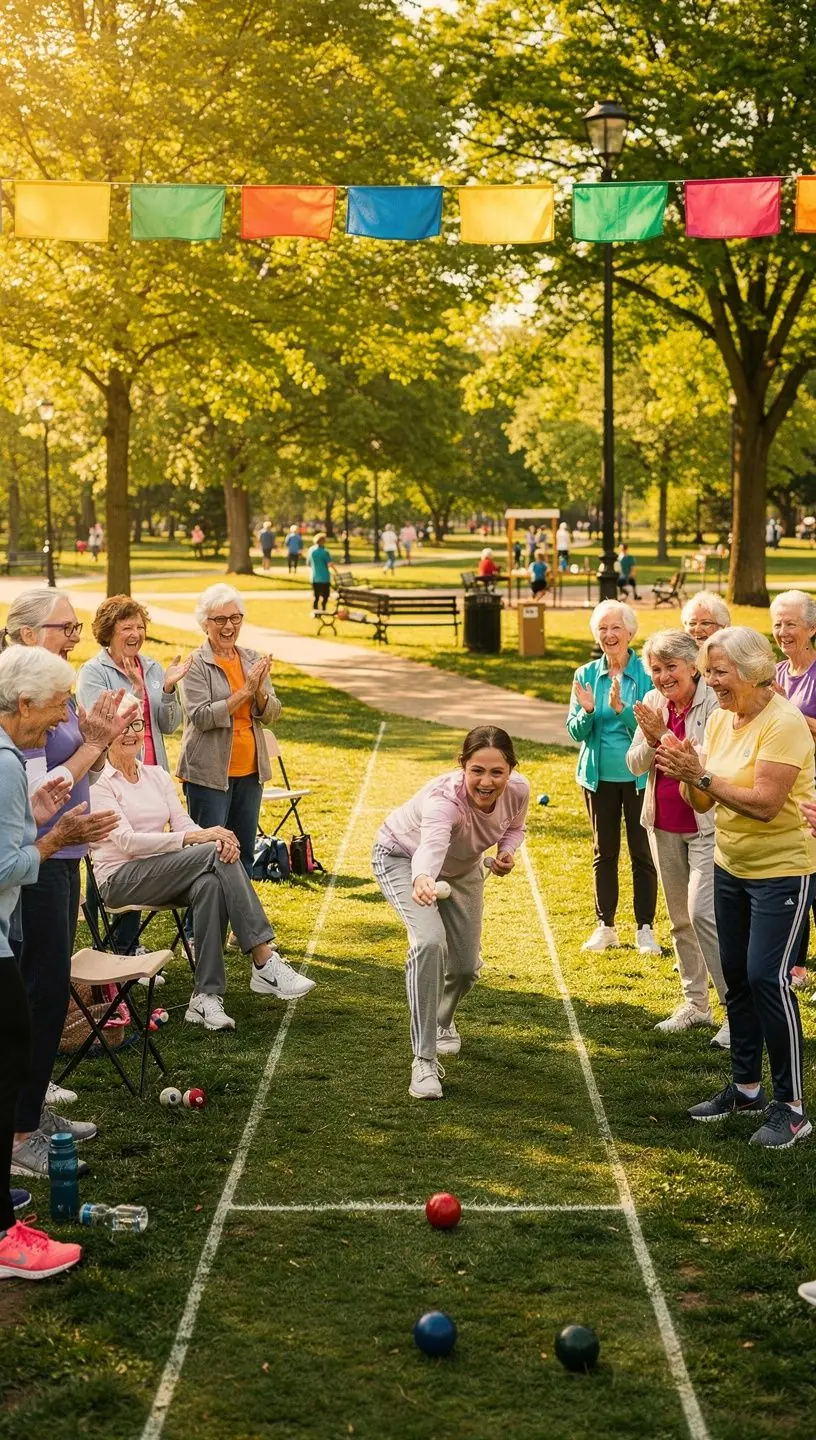
Incorporating physical activity into your daily routine can be both enjoyable and beneficial. Studies show that regular engagement in physical activities can help improve mobility, strength, and balance, which are crucial as we age.
- Start slowly: If you're new to exercise, begin with low-impact activities such as walking, swimming, or gentle yoga. This process typically takes 2-4 weeks to build a basic fitness level.
- Combine activities: Aim for a mix of aerobic, strength, flexibility, and balance exercises. This variety can help address different aspects of health.
- Join group activities: Participating in social dance gatherings or group classes can enhance motivation and provide opportunities to connect with others, which is essential for mental health.
Fostering Social Connections
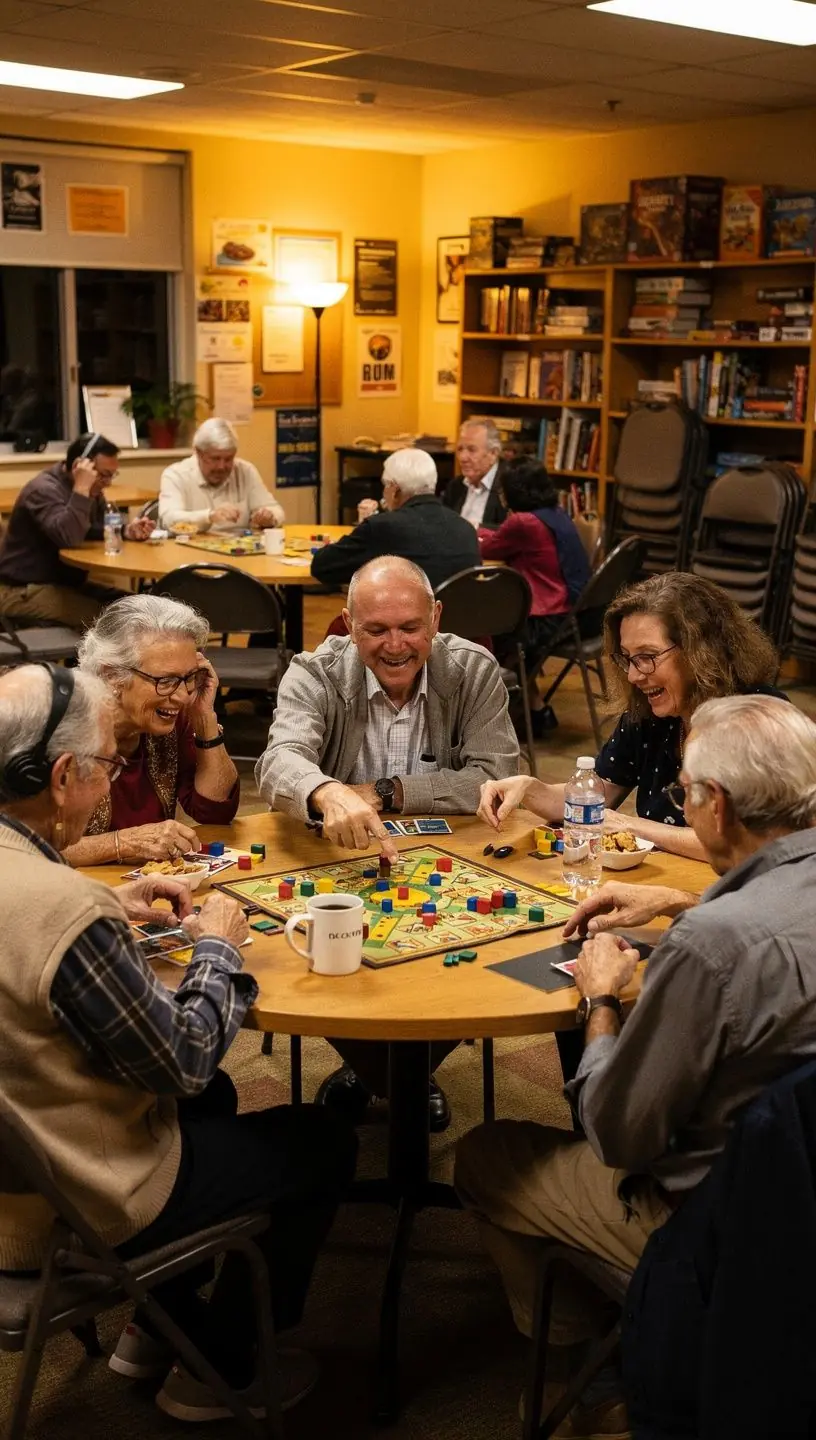
Social engagement plays a vital role in active aging. Studies show that maintaining social interactions can help reduce feelings of loneliness and improve mental health. Consider the following approaches:
- Participate in community events: Joining local active aging coaching studios or attending workshops can introduce you to new friends with similar interests.
- Volunteer: Offering your time can provide a sense of purpose and connect you with your community.
- Attend social dance gatherings: These events not only provide physical activity but also foster social bonds, enhancing overall well-being.
Conclusion
Starting your active aging journey is a significant step towards enhancing your quality of life. By setting realistic goals, incorporating physical activity, and fostering social connections, you can create a sustainable and enjoyable path forward. Remember that results typically appear within several weeks of consistent effort, and it is essential to be patient and adaptable throughout this process.