The Role of Community in Active Aging Programs
As we age, the importance of community engagement becomes increasingly vital. Active aging programs that foster social connections can significantly enhance the quality of life for older adults. This article explores how community involvement plays a critical role in such programs, particularly in the context of adaptation strategies and social dance gatherings.
Understanding the Importance of Community
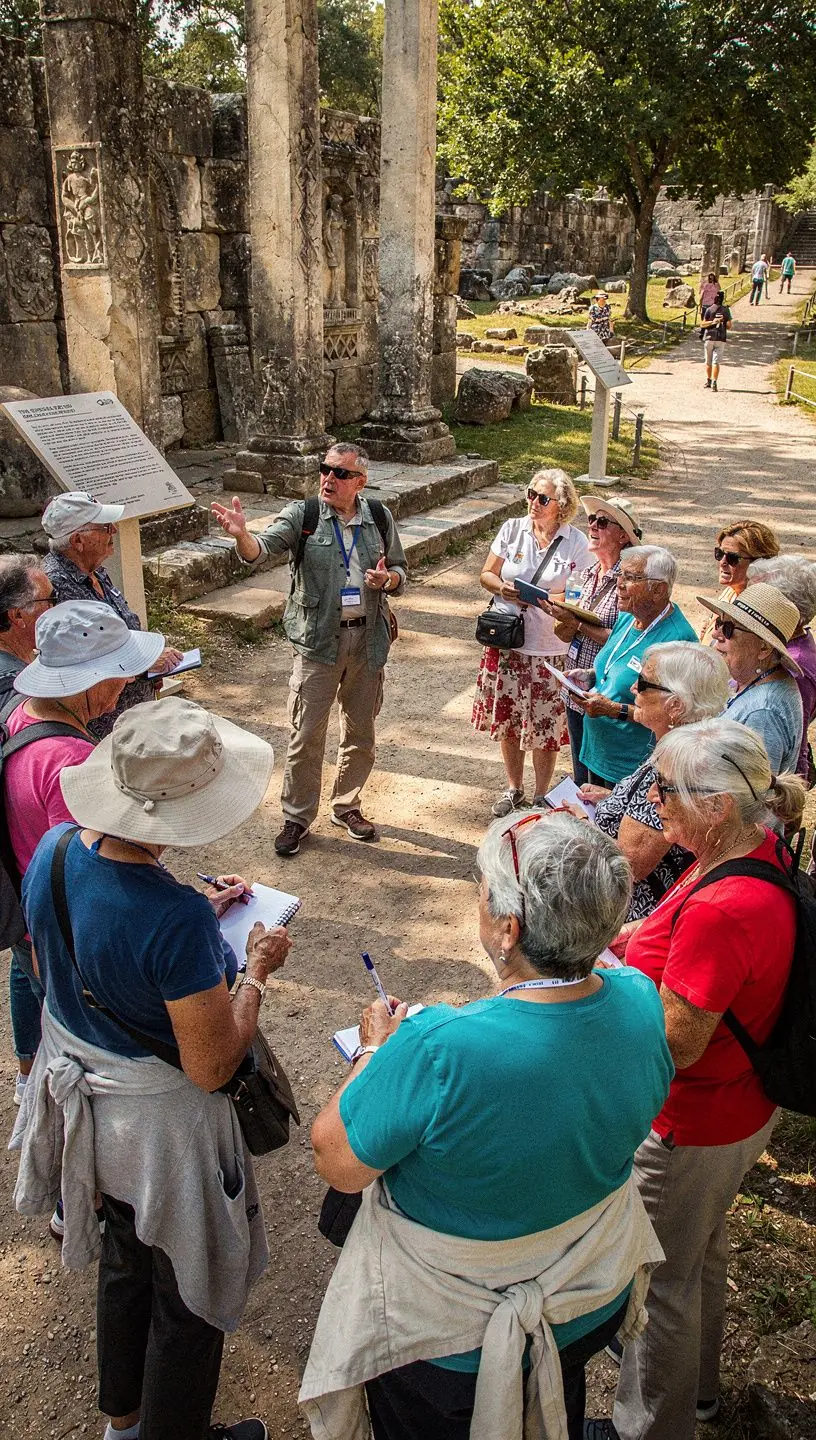
According to research, social interaction is essential for maintaining mental and emotional well-being in older adults. Studies show that isolated seniors are at a higher risk for depression and cognitive decline. Therefore, active aging programs that encourage community participation can positively impact health outcomes. The principle behind this is rooted in the concept that socializing can stimulate the brain and improve overall health.
"Research indicates that regular social interactions can reduce the risk of cognitive decline by up to 50% in older adults."
Community-Focused Adaptation Programs
Active aging coaching studios often offer tailored adaptation programs designed to meet the unique needs of older adults. These programs typically include:
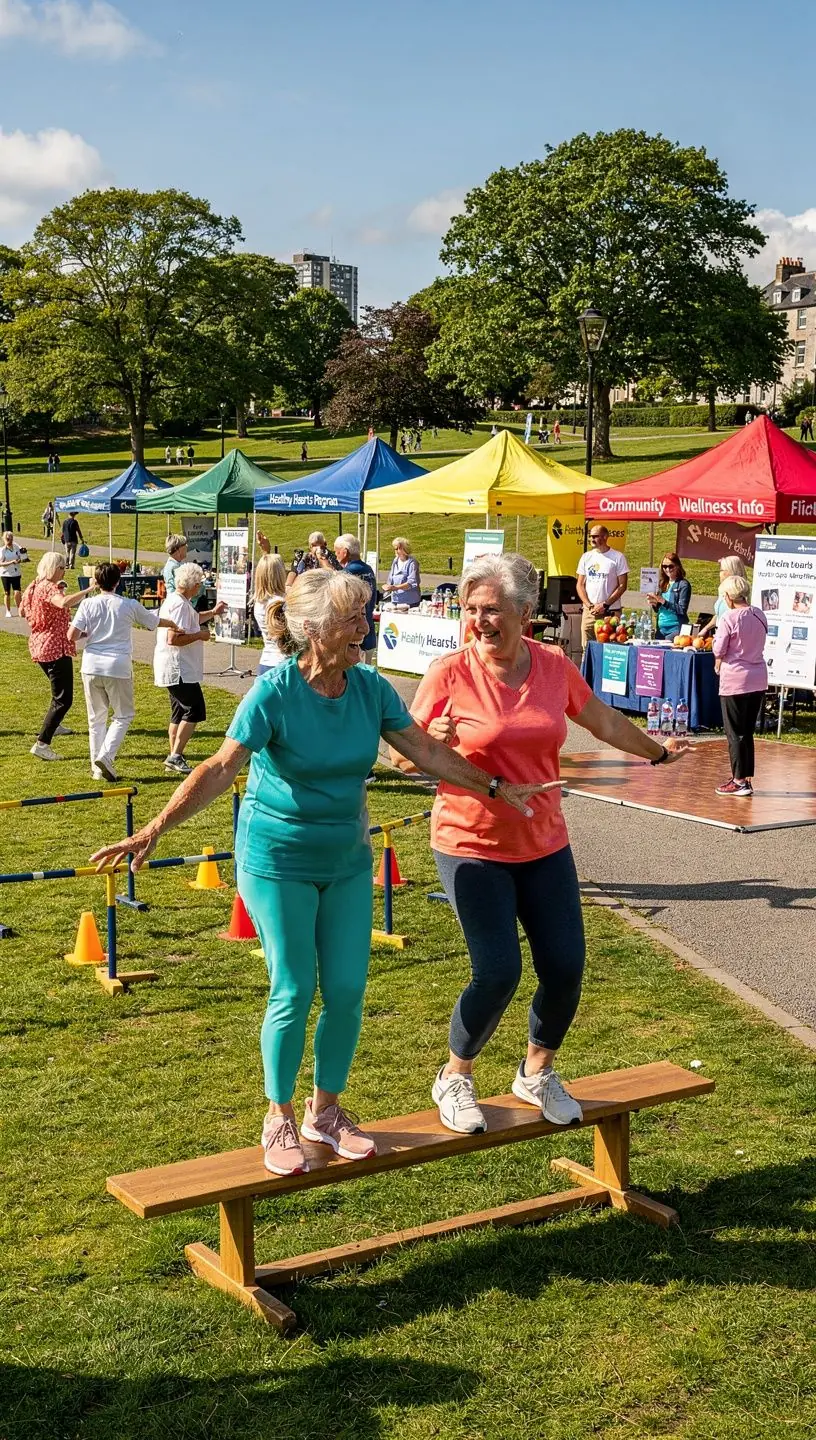
- Physical Activity: Regular exercise sessions tailored for different fitness levels, which studies show can enhance mobility and reduce fall risk.
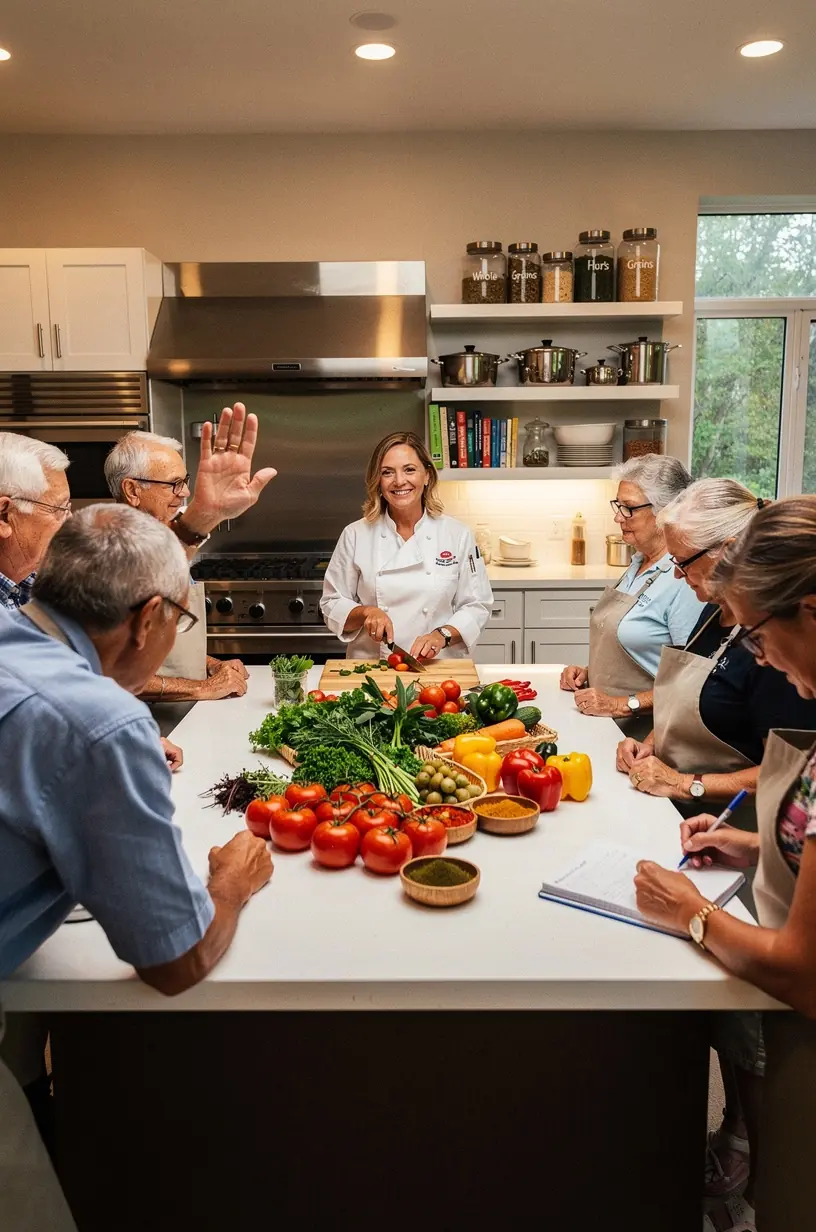
- Nutrition Guidance: Workshops on healthy eating habits that align with age-related dietary needs; many experts recommend a balanced diet rich in nutrients.
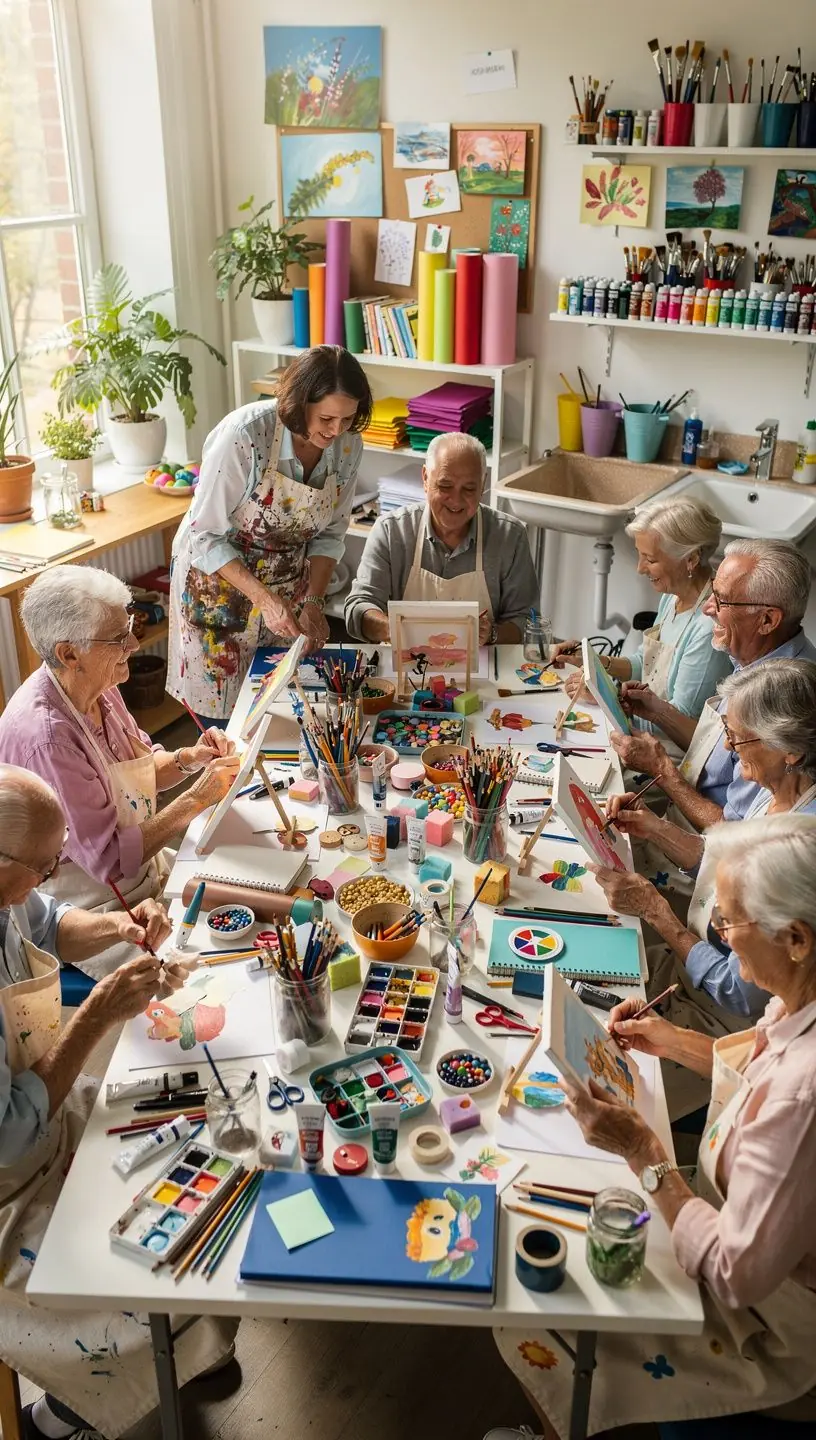
- Social Engagement: Opportunities to connect with peers through dance gatherings, which can improve mood and foster friendships.
The Role of Dance Gatherings
Weekly social dance gatherings serve as a unique form of community engagement. These events are not just about movement; they provide a platform for social interaction, which is invaluable for emotional health. The benefits of dance for older adults include:
- Enhancing physical fitness and coordination.
- Boosting mood through the release of endorphins during physical activity.
- Fostering new friendships and reducing feelings of loneliness.
Experts suggest that participating in such activities can lead to sustained long-term benefits, but typically, a commitment to regular attendance is necessary to see these effects.
Challenges and Considerations
While community-based active aging programs can be highly beneficial, they do have limitations. For instance, some individuals may feel hesitant to join due to initial anxiety or previous experiences. It generally requires a willingness to engage and may involve a learning curve, particularly for those unfamiliar with dance.
Additionally, these programs may not be suitable for everyone; individuals with specific medical conditions should consult healthcare professionals before participating. Realistic expectations should be set; benefits often become noticeable within a few months of regular participation.
Conclusion
Community plays an essential role in active aging programs by promoting social interactions and encouraging a supportive environment. Through tailored adaptation programs and engaging activities like social dance gatherings, older adults can experience significant improvements in their quality of life. By understanding the value of community and committing to participation, seniors can cultivate lasting relationships and enhance their overall well-being.