Understanding Mobility and Flexibility in Older Adults
As we age, maintaining mobility and flexibility becomes increasingly important for overall health and well-being. This article explores the significance of these physical attributes in older adults and offers practical approaches to enhance them.
Understanding Mobility and Flexibility
Mobility refers to the ability to move freely and easily, while flexibility is the range of motion around a joint. According to research, both mobility and flexibility are crucial for older adults, as they contribute significantly to independence and quality of life. Studies show that improved flexibility can help reduce the risk of falls—a major concern among older adults. This is because greater flexibility often leads to better balance and coordination.
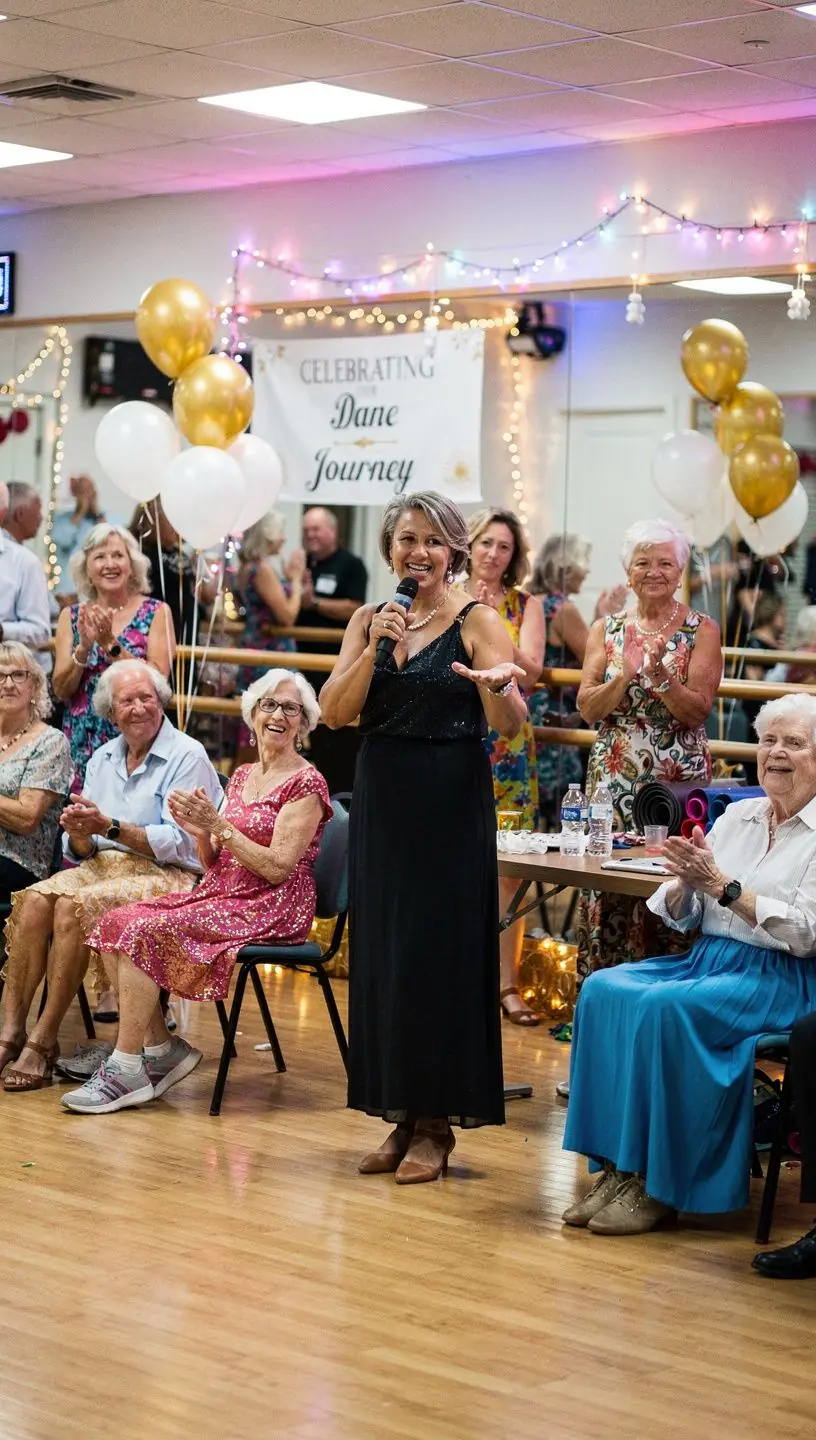
"Maintaining mobility and flexibility can greatly enhance an older adult's quality of life, allowing for greater independence and reduced injury risk."
The Importance of Regular Physical Activity
Engaging in regular physical activity is essential for improving mobility and flexibility. Many experts recommend a balanced exercise program that includes:
- Strength training: This helps build muscle, which supports joints and improves stability.
- Stretching exercises: Regular stretching can enhance flexibility, with significant benefits for joint health.
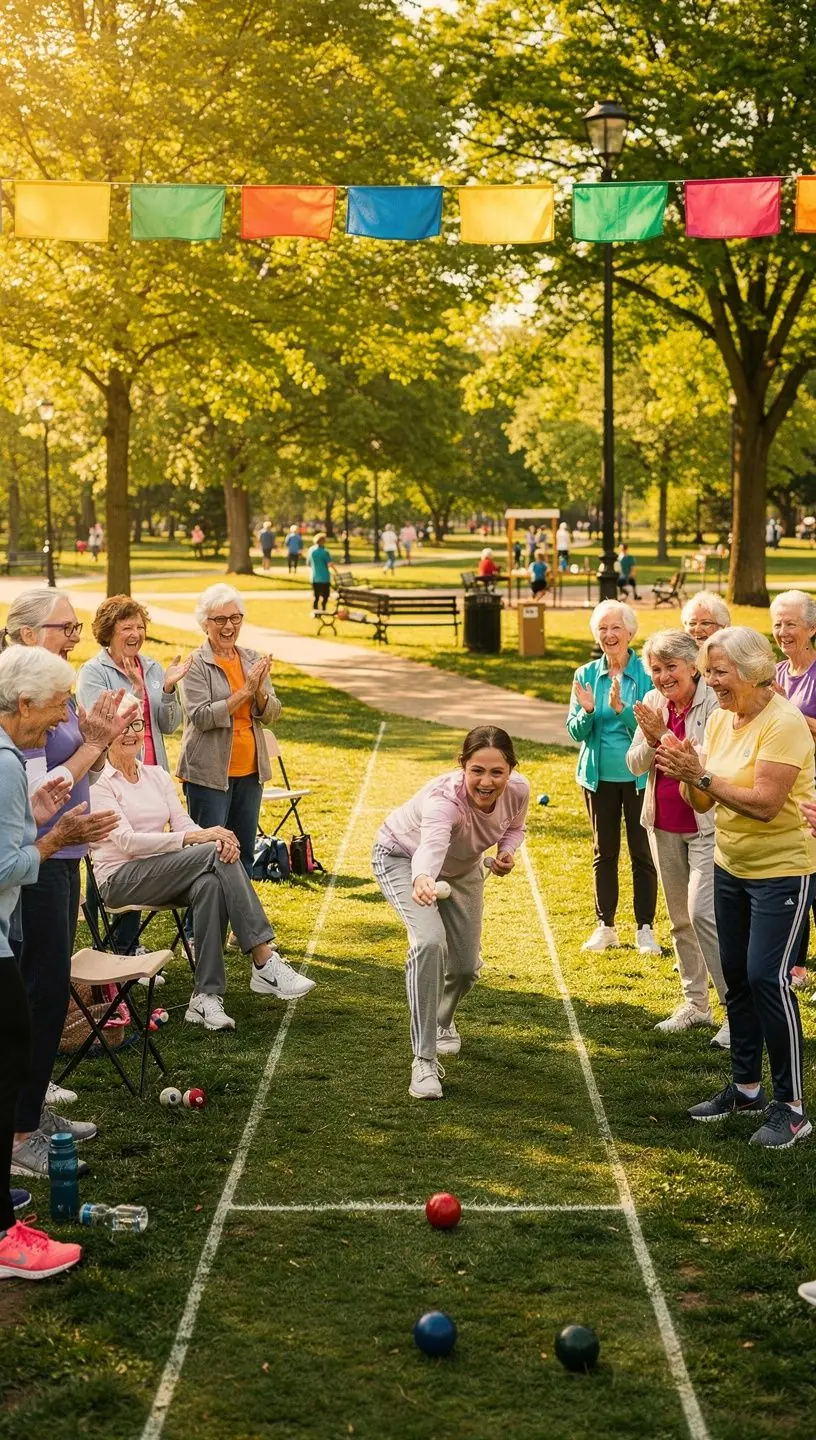
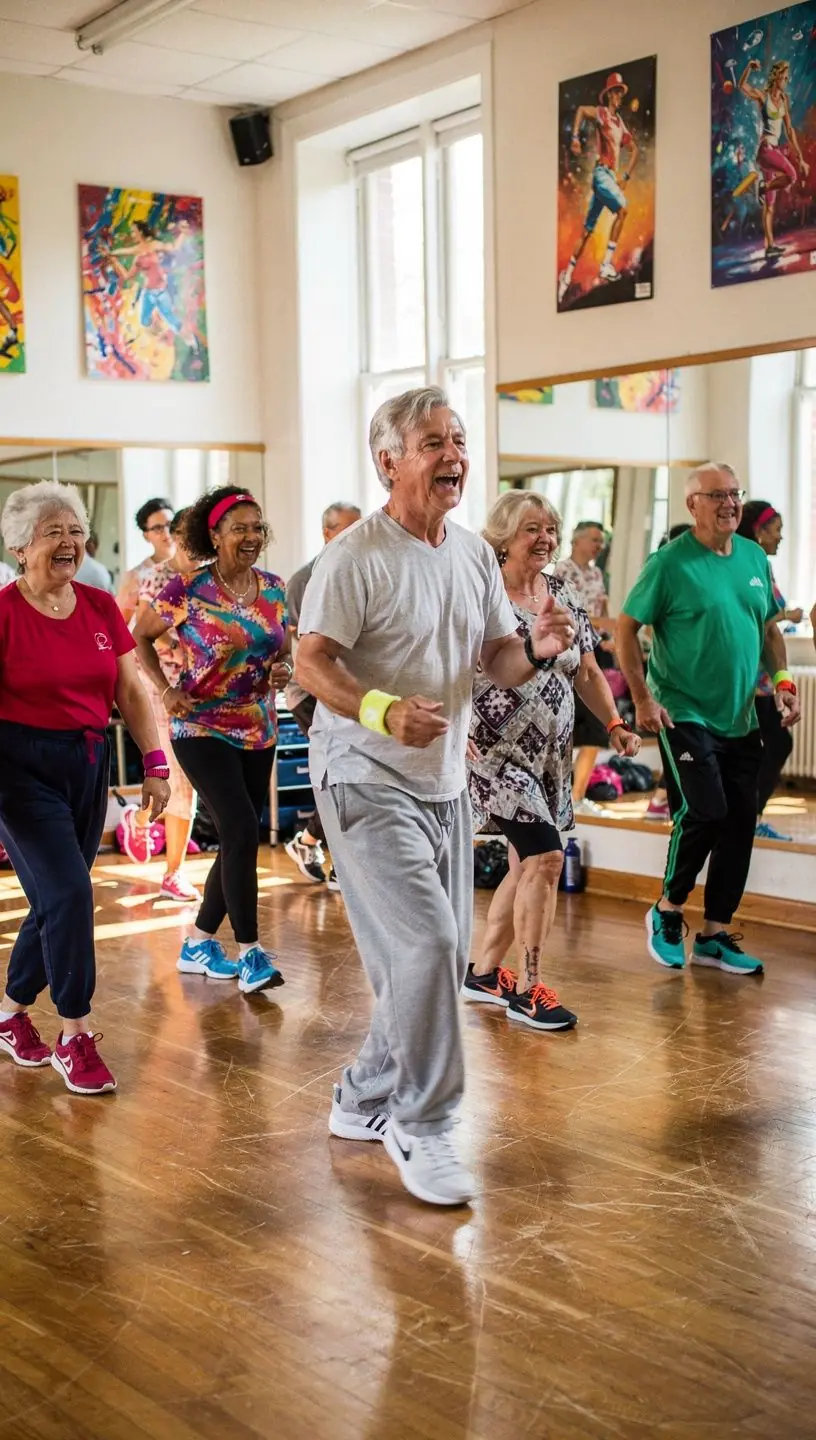
- Aerobic activities: Activities such as walking, swimming, or dancing can promote cardiovascular health and increase endurance.
Typically, a program that combines these elements may require a commitment of 30 minutes a day, five days a week. However, it is important to start gradually, particularly if one is new to exercise or has existing health concerns.
Practical Strategies for Enhancing Mobility and Flexibility
Here are a few practical strategies that can help improve mobility and flexibility in older adults:
- Incorporate stretching routines: Gentle stretching can be done daily, focusing on major muscle groups. This may include neck stretches, shoulder rolls, and calf stretches.
- Participate in group classes: Many community centers and organizations offer classes tailored for older adults that focus on mobility and flexibility, such as yoga or tai chi.
- Utilize proper techniques: When performing exercises or daily tasks, using proper techniques can prevent injuries and enhance effectiveness.
It is essential to note that any new exercise regimen should be started after consulting a healthcare provider, especially if there are pre-existing conditions. Additionally, gains in flexibility and mobility often require consistent effort over time, typically taking several weeks to notice significant changes.
Acknowledging Limitations
While many older adults can benefit from increased mobility and flexibility, it is important to acknowledge that not all exercises may be suitable for everyone. For instance, high-impact activities may not be ideal for those with joint problems. Additionally, some individuals may find it challenging to maintain motivation or adhere to a regular schedule. Therefore, finding enjoyable activities is essential for long-term success.
Conclusion
Maintaining mobility and flexibility is vital for older adults, contributing significantly to their independence and quality of life. By understanding the principles of exercise, engaging in regular physical activity, and incorporating practical strategies, older individuals can enhance these essential physical attributes. While results may vary, with consistent effort and appropriate guidance, many can experience improved mobility and flexibility, ultimately leading to a healthier, more active lifestyle.
Learn More