Understanding Active Aging Coaching Techniques
Active aging coaching is an emerging field focused on promoting health, well-being, and engagement among older adults. Understanding the techniques employed in this discipline is essential for maximizing its benefits.
Understanding the Basics
Active aging coaching typically involves personalized approaches that focus on enhancing physical, mental, and social well-being. According to research conducted by the World Health Organization, active aging can improve quality of life and may lead to successful aging by fostering independence and social participation.
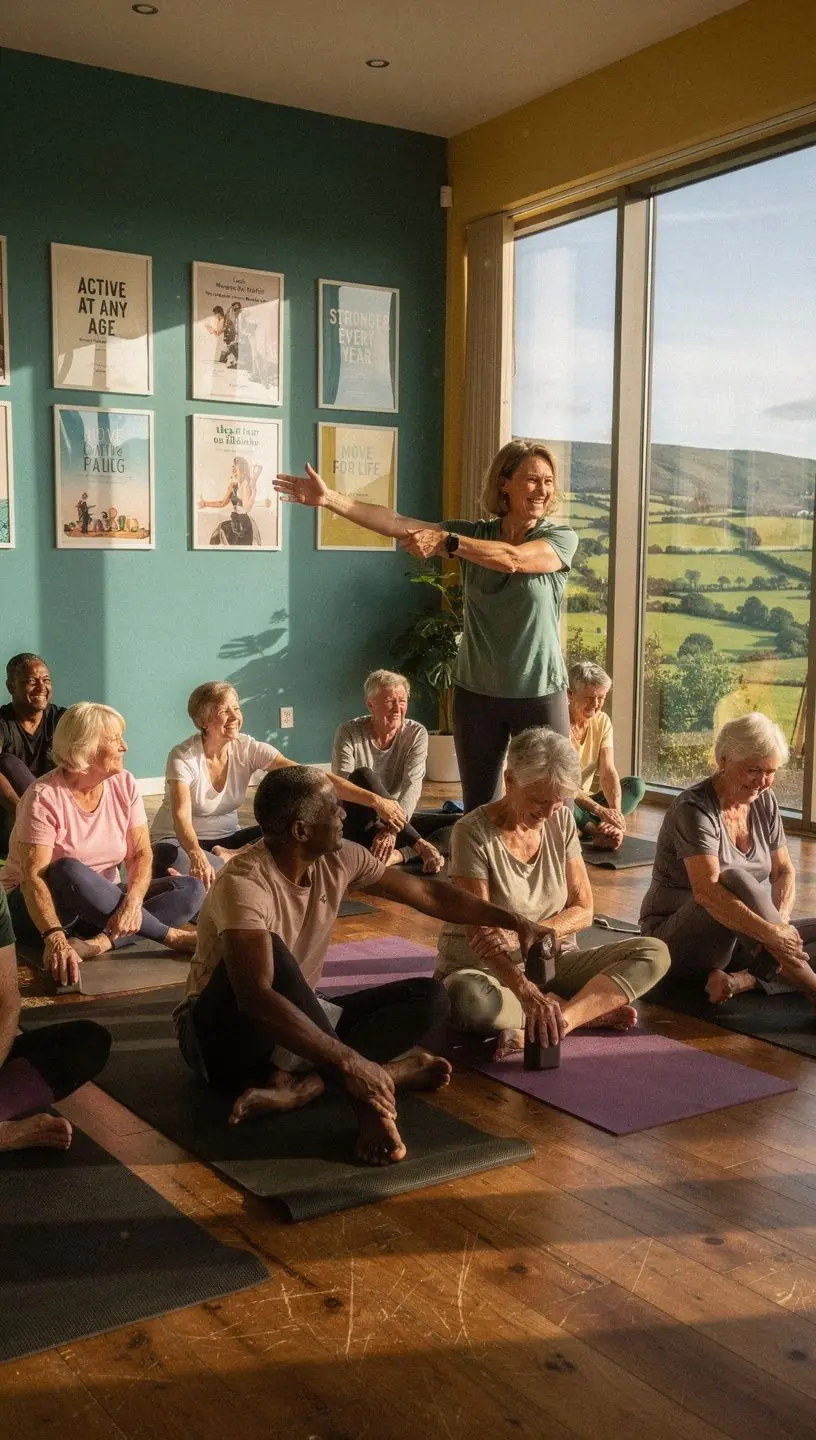
"Active aging is about optimizing opportunities for health, participation, and security in order to enhance quality of life as people age." - World Health Organization
Key Techniques in Active Aging Coaching
There are several effective techniques commonly used in active aging coaching:
- Personalized Fitness Plans: Many coaches design tailored fitness programs that accommodate individual capabilities and health conditions. These plans often evolve to ensure they remain suitable for the older adult's changing needs.
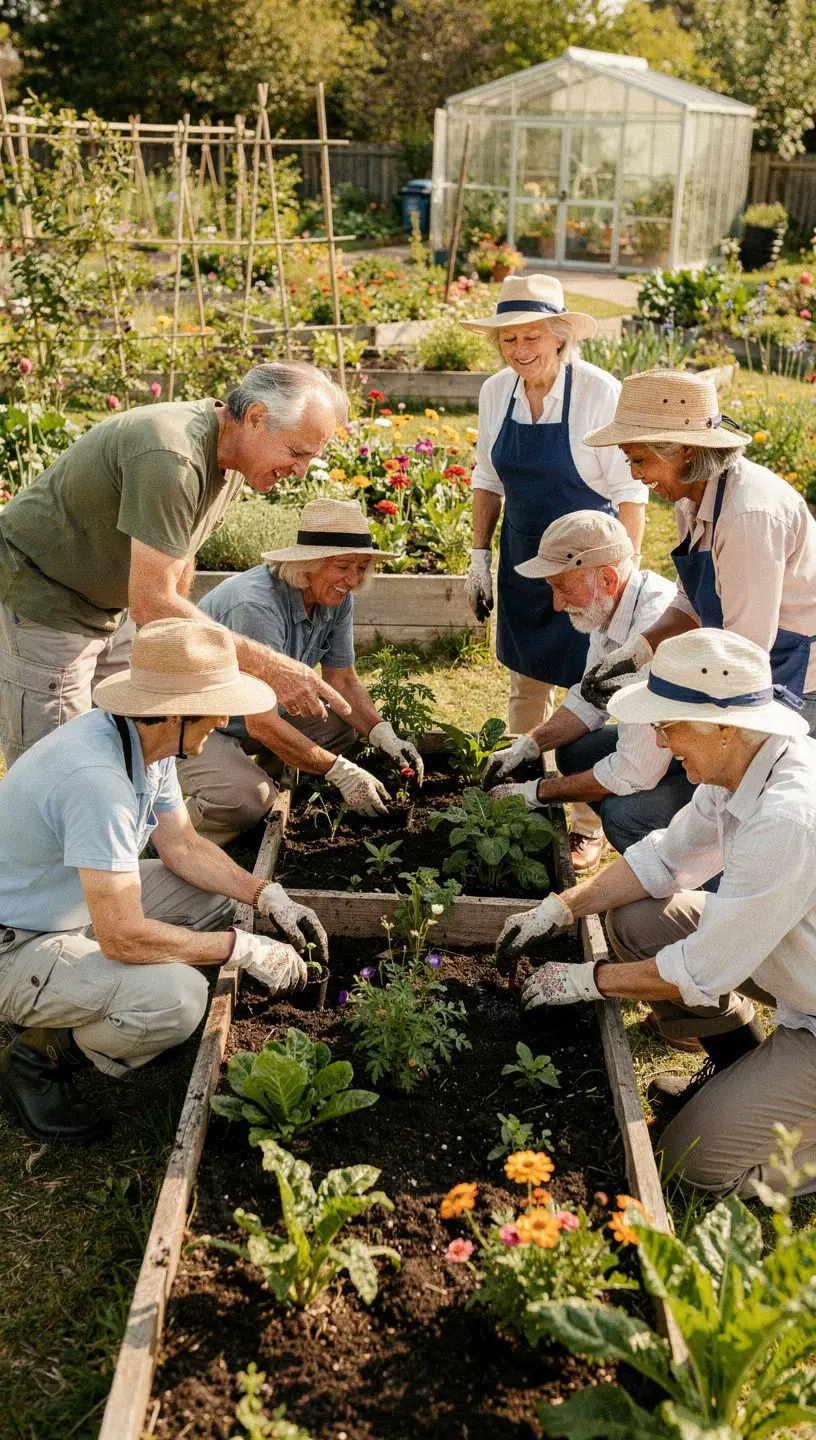
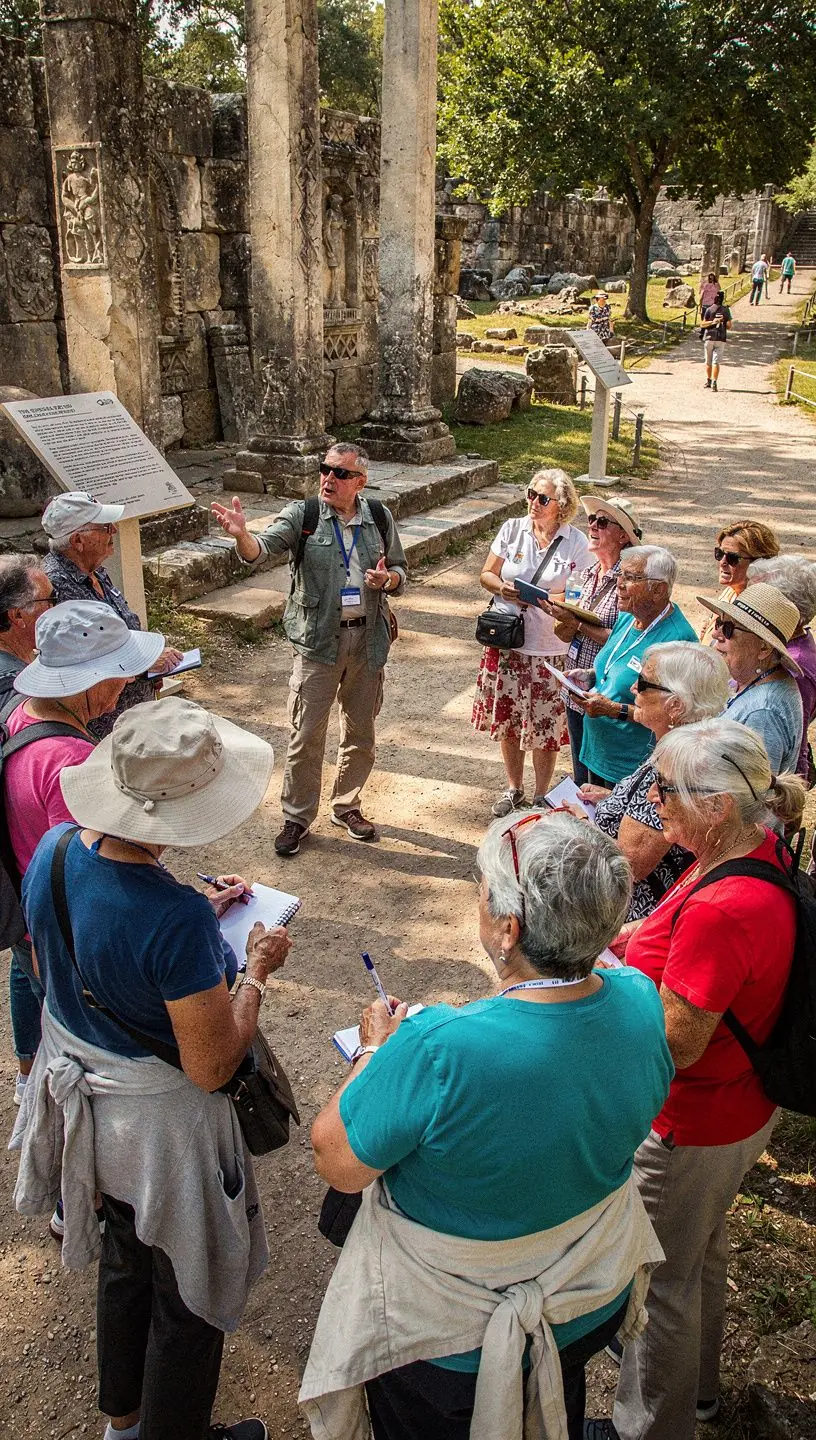
- Social Engagement Activities: Weekly social dance gatherings, for instance, can foster community connections and enhance emotional well-being. Studies suggest that social interaction plays a crucial role in maintaining cognitive function.
- Mindfulness and Cognitive Training: Techniques such as mindfulness meditation and cognitive exercises can help improve mental health and cognitive performance. Research indicates that regularly practicing mindfulness can reduce stress and anxiety among older adults.
Practical Application of These Techniques
Implementing these coaching techniques effectively requires commitment and effort:
- Assess Individual Needs: A thorough assessment of the individual's current physical and mental state is typically recommended as the first step. This may involve consultations with healthcare providers.
- Set Realistic Goals: Coaches often emphasize the importance of setting achievable goals that align with the individual’s lifestyle and capabilities. In most cases, results may begin to show within a few months, depending on the intensity of engagement.
- Encourage Consistency: Many users report that consistency is key to seeing improvements. Regular participation in activities is crucial, and the commitment may require several weeks of dedicated effort.
Conclusion
Active aging coaching offers a range of techniques aimed at enhancing the quality of life for older adults. By focusing on personalized fitness plans, social engagement, and cognitive training, individuals can experience meaningful improvements in their daily lives. While the process may require time and dedication, the potential benefits highlight the importance of embracing active aging. For those interested in learning more about these techniques or participating in programs, engaging with local coaching studios can be a valuable next step.